

January 4, 2026
- Added explicit 10-day legal deadline and consequences for missing it (fines, imprisonment, abandonment)
- Updated processing timelines: biometrics often 3–10 weeks; AR-11 mail processing commonly 3–4 weeks
- Clarified that USPS mail-forwarding or third-party updates do NOT satisfy USCIS address rule
- Included new 2025 enforcement and noncitizen registration developments (effective April 11, 2025)
- Expanded guidance on which identifiers to include (I-485 receipt number, related I-765/I-131 receipts, A-Number)
A change of address must reach USCIS within 10 days of moving if you have filed, or plan to file, Form I-485. Miss that window and you risk lost interview notices, missed Requests for Evidence, case denial for “abandonment,” and even fines or criminal exposure under long-standing federal rules.
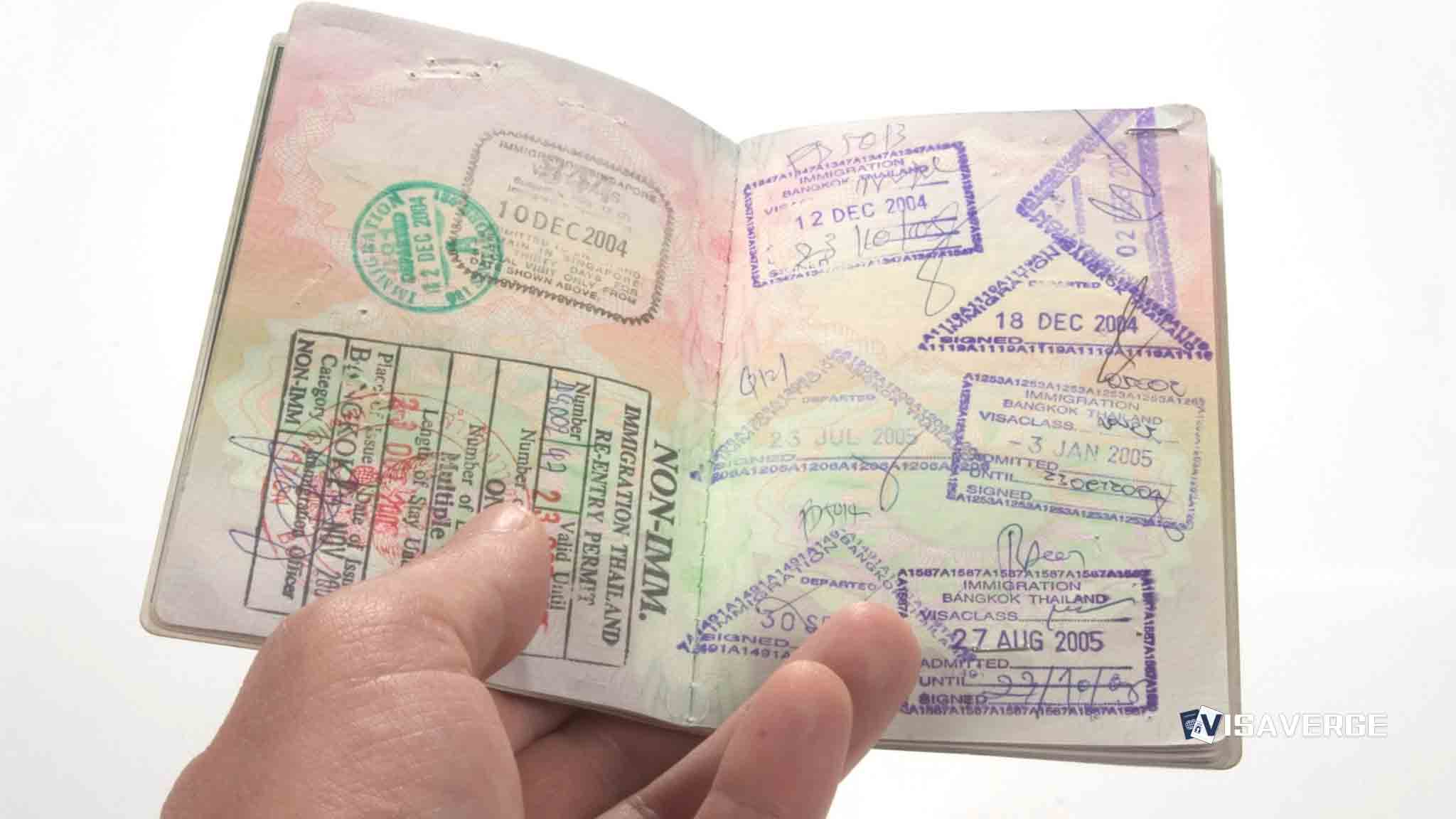
This obligation hits almost every noncitizen who will stay in the United States for 30 days or longer, including green card holders and people adjusting status. It matters most during I-485 processing because USCIS schedules biometrics, interviews, and card delivery using the address on file.
The legal rule that drives everything: 10 days, and USCIS must hear it directly
USCIS does not treat a USPS mail-forwarding request as an address update. Updating your bank, DMV, or employer also doesn’t update your immigration file. You must report the move straight to USCIS, and you must do it fast.
DHS increased enforcement attention in late 2025, framing noncompliance as a prosecutable misdemeanor. That enforcement posture raises the stakes beyond “missed mail,” especially for future green card and naturalization reviews.
Important: USCIS must receive the address update directly. Do not assume other institutions or mail-forwarding will satisfy the rule.
Where address mistakes derail Form I-485 cases
USCIS communications carry deadlines and appointment times. Missing them can end a case.
High-risk moments during a pending I-485 include:
- Biometrics scheduling — often 3–10 weeks after filing. A no-show can trigger an abandonment finding.
- Interview notices — mailed to the address on file, with strict appearance requirements.
- Requests for Evidence (RFEs) — have firm response deadlines.
- Card delivery — including EAD/AP cards and the green card, which can be returned as undeliverable.
The law also allows penalties for not reporting a move, including fines up to $5,000 and up to 30 days imprisonment, with possible immigration consequences that can reach removal proceedings in serious situations.
The fastest path: the USCIS online Change of Address tool
USCIS prefers the online process because it updates systems quickly and provides an instant confirmation record.
Start at the official USCIS online account login and registration page, then use the Change of Address option inside your profile. Enter both your physical and mailing address, plus the identifiers that connect your move to your pending file.
For an I-485 applicant, that means including:
- Your receipt number from Form I‑797 (and any related receipts, such as I-765 or I-131, if filed).
- Your A-Number, if you have one.
Print or save the confirmation page. USCIS does not provide a simple “current address on file” viewer inside the account, so your confirmation record is your proof if something goes wrong later.
Use the USCIS online Change of Address tool and link it to your I-485 receipt number and A-Number. Save the confirmation page and, if possible, print it for your records to prove timely reporting.
A four-step process that matches how USCIS works in real life
1) Report the move within 10 days, with the right identifiers
Treat day 10 as a hard deadline. Tie the update to the case by entering the I-485 receipt number and A-Number, so notices route to the right file and the right person.
If multiple family members have separate applications, each person needs their own update. Parents can include children under 14, but the update still has to clearly cover every applicant.
2) Choose one of the three USCIS reporting channels
USCIS accepts three main methods, each with different speed profiles:
- Online account (fastest): immediate system update and instant confirmation.
- Mail AR-11 (slower): processing commonly takes 3–4 weeks after USCIS receives it.
- Phone (useful for urgent timing): call the USCIS Contact Center at 1-800-375-5283 and request a confirmation number.
If you are close to an interview window or expecting a card delivery, the online tool is the safest option because it reduces delay between your report and USCIS routing.
3) Keep proof, because proof solves most disputes
After you report a change of address, keep evidence the way you’d keep a passport stamp.
Good proof includes:
- A saved PDF or printed online confirmation.
- Certified mail and return receipt records for mailed filings.
- A Contact Center confirmation number and notes of the call.
If USCIS later claims a notice was mailed to the “last known address,” your proof helps show you complied within the 10-day rule.
4) Watch for the next USCIS action and react quickly
An address update is not the end of the story; it’s the step that keeps the story from going off the rails.
- Monitor your case using USCIS case status tools and any account alerts you enabled.
- If you mailed the AR-11, allow about 4 weeks before escalating through the Contact Center.
When you should use Form AR-11 by mail
Some applicants still choose paper because they want a certified-mail trail or they lack reliable online access.
If you go this route:
- Use the official [Form AR-11`, Alien’s Change of Address Card].
- Complete it carefully and mail it according to the filing instructions.
- Expect the update to take 3–4 weeks, so build in time if your I-485 is moving fast.
USCIS also warns against trying to “back-file” old moves. Report the current change cleanly so your file points to the address where you actually receive mail now.
Special rule clusters that trip up good-faith applicants
Immigration court or asylum-related filings
Some people have both USCIS matters and immigration court oversight. Those cases often require separate address reporting to each agency, with tight deadlines.
Follow the instructions on the official USCIS address change information page and any court-issued directions you have received.
F-1 students and J-1 exchange visitors (SEVIS path)
If you are in F-1 or J-1 status, your school or program sponsor updates SEVIS.
- Report your move to your Designated School Official within 10 days.
- The DSO updates SEVIS within 21 days under standard rules.
Affidavit of Support sponsors: Form I-865 has its own clock
If you signed an Affidavit of Support and must report sponsor address changes, use [Form I-865, Sponsor’s Notice of Change of Address].
- File within 30 days.
- It must be filed by mail, not through the online address tool.
The 2025 noncitizen registration requirement ties into compliance culture
A noncitizen registration mandate effective April 11, 2025 uses online registration through G-325R/G-325G for those not already registered through documents like an I‑94, green card, or EAD.
- Adults 18+ must carry proof of registration.
- Address compliance and registration compliance now sit in the same enforcement climate.
Practical expectations for a moving I-485 applicant
A move is normal. USCIS procedures can absorb it, as long as you act quickly and document everything.
Consider a common timeline: you file Form I‑485, then move during the waiting period. If the biometrics notice goes to the old address and you miss the appointment, USCIS may treat the case as abandoned. Refiling can cost $1,440+ in filing fees, plus months of delay.
That is why the online update, the saved confirmation, and ongoing case monitoring matter. They keep your application alive while your life keeps moving.
For readers preparing to file or already in the process, keep the official form pages handy, including Form I-485, and treat every move as an immigration deadline, not a personal chore.
Noncitizens must report address changes to USCIS within 10 days of moving. This is critical for Form I-485 applicants to ensure they receive biometrics, interview notices, and green cards. Failure to comply can lead to case abandonment, fines, or criminal charges. The USCIS online portal is the most efficient reporting method, providing immediate confirmation that serves as essential legal proof of compliance.


